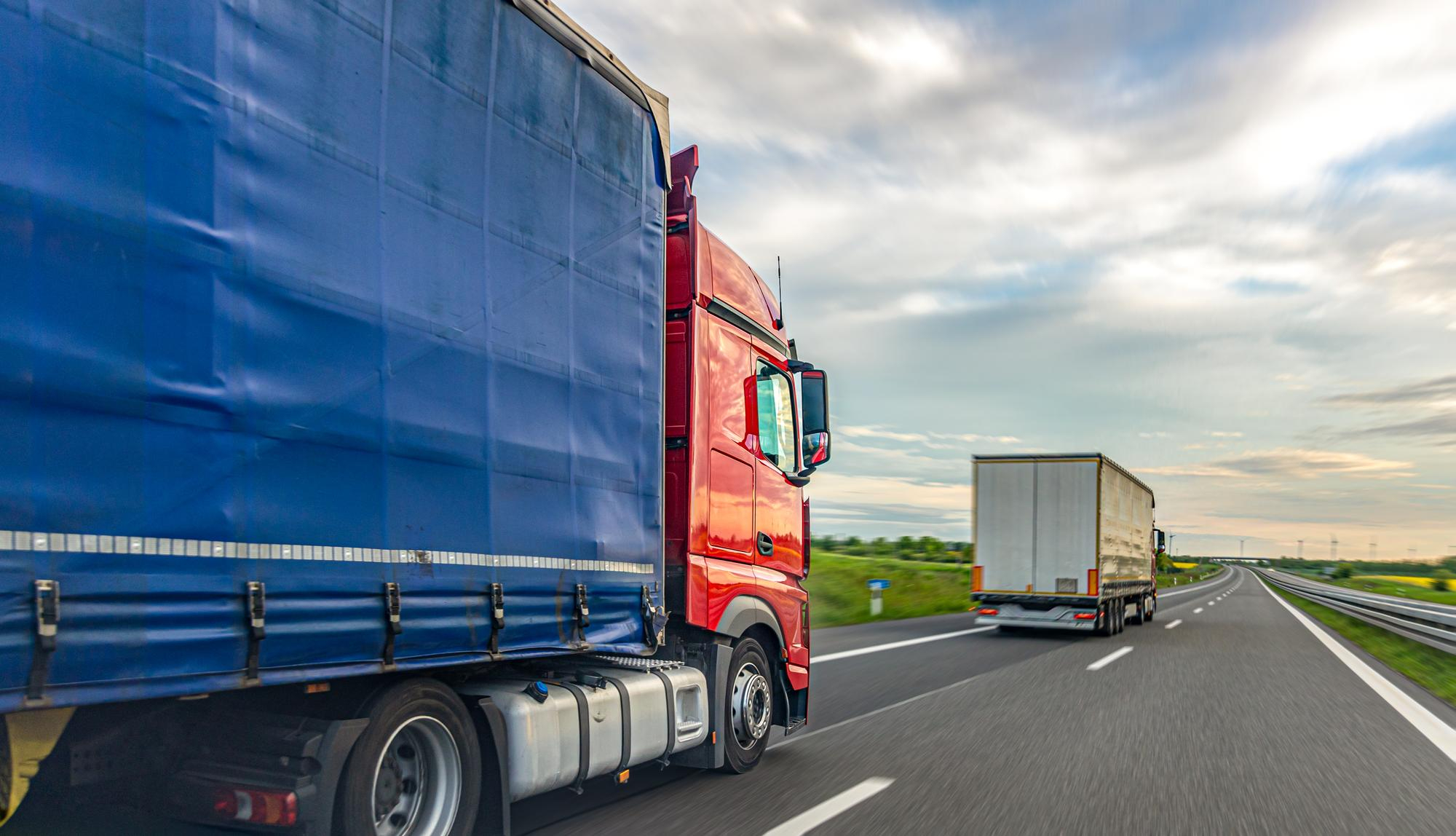

On the Georgian market since 2004 Reliability is not a promise - it is a system A reliable partner in international cargo transportation

Since 2004, PEGAS has provided efficient and reliable cargo transportation to Europe, the CIS, the Caucasus and Central Asia.

✔ Fast service
✔ Safe transportation
✔ Competitive rates
✔ Real-time GPS monitoring - 24/7

Live tracking

TBILISI HAMBURG BUCHAREST

Tbilisi

Bucharest

Hamburg

A reliable partner in international cargo transportation
22+

Years on the road

100%

Own fleet

24/7

GPS monitoring

Services

We carry full (FTL) and partial (LTL) loads on international routes.
FTL - Full truckload

FTL - Full truckload

A trailer for your cargo only. A direct route without intermediate reloading - the fastest and most reliable transportation.

LTL - Groupage cargo

LTL - Groupage cargo

Partial (groupage) cargo transportation on economical terms - you pay only for the space your cargo takes.

Documents and customs

Documents and customs

Preparation and processing of transport and customs documents (CMR, T1, EX-1, TIR Carnet) - for simple and smooth shipping.

Consolidation and storage

Consolidation and storage

Combining different shipments and storing them temporarily before dispatch for an efficiently organised logistics process.

Insurance

Insurance

Cargo is insured in accordance with the CMR Convention along the entire route.

Personal manager

Personal manager

A personal manager who ensures constant communication with the client and coordinates the process at every stage of the shipment.

Why partners choose us

Reliability

Reliability

Every shipment is completed on the agreed terms and deadlines.

Safety

Safety

Safe transportation of cargo is our top priority.

Experience

Experience

A professional team ensures efficient management of the shipping process.

Individual approach

Individual approach

For every project we choose a solution tailored to the customer's needs.

Constant communication

Constant communication

Control of the shipping process with the support of a personal manager and real-time monitoring of the cargo location.

Competitive rates

Competitive rates

Our own fleet ensures cost optimisation and high-quality transport services at a competitive price.

Frequently asked questions

What are Incoterms and what are they used for?
Incoterms are the rules for international trade terms published by the International Chamber of Commerce (ICC). They define who pays the transport costs, who bears the risk of damage to the cargo and when responsibility passes from the seller to the buyer. The current version is Incoterms 2020.
What is the difference between EXW and FCA?
Under EXW the buyer collects the goods at the seller's premises and bears all costs and risks. Under FCA the seller clears the goods for export and hands them over to the carrier named by the buyer.
Which Incoterms are used for sea freight only?
Four terms: FAS, FOB, CFR and CIF. The other terms apply to any mode of transport, including road freight.
Which Incoterms are best for road freight?
The most common are FCA, CPT, CIP, DAP and DDP. EXW is simple, but it puts the whole process on the buyer, including export clearance. For beginners FCA or DAP is often the most convenient.
Who pays for insurance under CIF and CIP?
Under both terms the seller provides the insurance. Under CIF the cover is minimal, while under CIP in Incoterms 2020 extended cover (ICC A) is required.
What does DDP mean and when is it beneficial?
DDP means the seller bears all costs and risks up to the destination, including import duties and customs clearance. It is the most convenient option for the buyer and carries the highest responsibility for the seller.
What is the difference between DAP and DPU (formerly DAT)?
Under DAP the seller delivers the goods to the named place, but unloading is the buyer's responsibility. Under DPU the seller unloads the goods. DPU replaced DAT in Incoterms 2020.
What is international road freight?
It is the movement of goods from one country to another by truck, crossing one or more borders. It can be carried out as a full truck load (FTL) or as groupage (LTL).
What is the difference between FTL and LTL?
FTL (Full Truck Load) means hiring an entire truck for one shipment, while LTL (Less Than Truck Load) is a smaller shipment that travels in one truck together with other customers' cargo. FTL is faster and safer; LTL is more affordable for small volumes.
What documents are needed for road freight?
Usually you need a commercial invoice, a packing list, a CMR consignment note, and export and import declarations. Depending on the type of goods you may also need a certificate of origin, a quality certificate or licences.
What is a CMR and why is it needed?
A CMR is the consignment note for international road transport, governed by the 1956 CMR Convention. It confirms the contract of carriage and receipt of the goods, and defines the carrier's liability.
What is TIR and when is it used?
TIR (TIR Carnet) is an international transit system that lets goods move through transit countries with simplified customs procedures and without a separate financial guarantee. It makes crossing multiple borders simpler and faster.
How long does international road freight take?
It depends on the distance, route, borders and customs procedures. The exact transit time is calculated individually for each route and is also affected by border queues, the accuracy of documents and the weather.
What makes up the cost of shipping?
The cost depends on the distance, the weight and volume of the cargo, the type of cargo (general, dangerous, temperature-sensitive), the number of borders, customs services, insurance and seasonal demand.
Can cargo be tracked in transit?
Yes, modern carriers use GPS monitoring that lets customers see the cargo location and the estimated arrival time. Ask about this service in advance, when signing the contract.
How is cargo packed for road freight?
Cargo should be packed securely, often on pallets, fastened and labelled. The exact packaging depends on the type of goods, but it must always allow for vibration and reloading during transit.
Is cargo insured during road freight?
Under the CMR Convention the carrier's liability is limited (by a weight-based limit), so additional cargo insurance is recommended to cover the full value.
What is customs clearance and who handles it?
Customs clearance is the official processing of the import or export of goods at the border or customs office, including payment of customs duties. Who handles and pays for it depends on the chosen Incoterm (e.g. the seller under DDP, the buyer under DAP).
What is a customs broker and do I need one?
A customs broker is a specialist or company that prepares the customs declaration and handles customs procedures on your behalf. A broker is especially useful if you are new to import and export, as it reduces the risk of errors and delays.
What happens if cargo is damaged or lost?
A report must be drawn up on receipt of the cargo, the damage must be noted in the CMR, and the carrier and the insurance company must be notified immediately. The sooner you report it, the higher the chance of receiving compensation.

How do I find out the exact price?

Tell us the origin and destination countries, the type of cargo, its weight and volume — we will send you an individual offer.

Request a quote